What Is The Currency Of Guatemala Named After? Uncovering the Indigenous Roots of the Quetzal
What Is The Currency Of Guatemala Named After? Uncovering the Indigenous Roots of the Quetzal
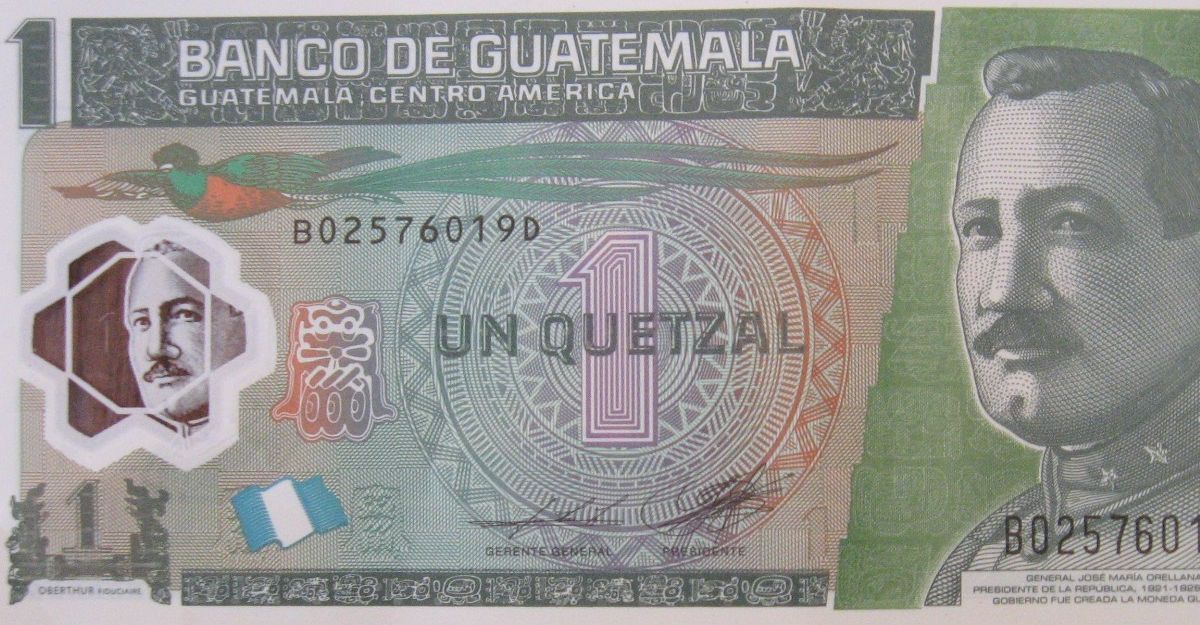
Guatemala’s national currency, the quetzal, carries a name steeped in Mesoamerican history and symbolism—an emblem of national identity rooted in pre-Columbian heritage. Far more than a medium of exchange, the quetzal honors a bird sacred to ancient civilizations, reflecting a deep respect for cultural legacy. The currency’s name is drawn directly from the resplendent quetzal bird, a living testament to Guatemala’s enduring connection to its indigenous past.
<
In Mayan mythology, the quetzal was more than a symbol—it was a divine messenger and a sacred embodiment of freedom and renewal. The ancient K’iche’ Maya revered the bird as a symbol of nobility and spiritual power, associating its plumage with the gods and royalty. This mythic status is preserved in the currency’s name.
Since Guatemala’s adoption of the quetzal as legal tender in 1925, the term has carried forward a legacy that predates Spanish colonization. As the Central Bank of Guatemala asserts, “The quetzal honors a creature that embodies the soul of our nation—a being so revered that its name now stands on our national coin and banknotes.” <
In the early 20th century, economic modernization prompted leaders to create a distinct monetary identity—one unshackled from colonial history but proudly anchored in regional heritage. The quetzal was formally adopted on July 1, 1925, following a national decree. At the time, Guatemala sought to strengthen economic sovereignty and foster national pride.
The decision to name it after the quetzal reflected a conscious effort to celebrate indigenous pride amid rapid change. As economic historian Dr. Elena Mendoza notes, “Choosing the quetzal was not just a fiscal choice—it was a statement of cultural continuity.
It declared that Guatemala’s future would honor its ancestral roots.” <
Banknotes follow suit, showcasing the quetzal alongside scenes of traditional Mayan architecture, sacred temples, and flrength of national identity. Watermark motifs emphasize flight and freedom—core themes tied to the bird’s symbolism. These visual elements transform paper and metal into living narratives, where each denomination becomes a portable portal to Guatemala’s ancient past.
<
The quetzal, in both flight and finance, remains a powerful reminder: a nation’s heart beats in its stories, rising from feathers to finance.


Related Post

Sweaty R6 Names: The Ultimate Guide to Crafting the Perfect Gamertag for Competitive Play

The Iconic “Tokyo Drift”: Silent Beat That Defined a Movie’s Legacy

Italy’s Capital in 2024: Rome’s Transformation and Timeless Charm on the Brink of a New Decade

Burger King Cleanliness: Behind The Scenes – What’s Really Happening At The Front Lines


