Honoring The Remarkable Life And Contributions Of Bia Duka: Staten Isl’s Cherished Stylist Tributes Netizens
Honoring The Remarkable Life And Contributions Of Bia Duka: Staten Isl’s Cherished Stylist Tributes Netizens
In the vibrant pulse of Staten Island’s emerging creative scene, a quiet revolution unfolded—not on runways or red carpets, but through curated elegance and unforgettable personal style. At the heart of this movement stood Bia Duka, a stylist whose influence rippled far beyond fabric choices, shaping how creativity, identity, and community converge in the Island’s cultural fabric. Netizens across social platforms erupted in heartfelt tributes, honoring Duka not only for her artistry but for the warmth and authenticity she brought to every client’s narrative.
Bia Duka’s journey in styling began with a vision: fashion as a language of self-expression, where every garment and accessory spoke to individual stories. Born and raised on Staten Island, her deep roots in local culture informed a distinctive design ethos—blending timeless sophistication with contemporary flair. Her approach was never about trends for trends’ sake, but about honoring the person standing in front of the mirror, amplifying confidence and individuality.
Over the years, Duka cultivated a loyal clientele ranging from artists and entrepreneurs to public figures who sought her insight not just on wardrobes, but on personal branding.
“Bia sees more than fashion—she reads emotion,” one follower wrote. “Her eye for detail turns outfits into stories, and her style is like a quiet rebellion against one-size-fits-all beauty.” This sentiment echoed throughout social feeds, where fans shared behind-the-scenes glimpses of her work: custom pieces crafted with precision, bold color combinations that defied convention, and accessories handpicked to elevate authenticity over imitation.
The Craft Behind The Legacy
Bia’s styling philosophy centered on three pillars:- Personalization: Every client’s story shaped a unique aesthetic, eschewing top-down trends in favor of meaningful expression.
- Craftsmanship: From sourcing ethically made textiles to collaborating with local artisans, her pieces embodied quality and integrity.
- Accessibility: Though her work graced influential networks, Duka believed elegance wasn’t reserved for the privileged—her community workshops made styling education available to all.
Her influence extended beyond private consultations.
Through curated Instagram posts, TikTok styling tutorials, and in-person pop-up events in local parks and galleries, Duka built bridges between art, community, and everyday self-discovery. “She taught us that style is not about perfection,” said a fellow Island designer. “It’s about being brave enough to wear who you are.” Her monthly “Style with Soul” sessions became beloved community gatherings, fostering connections grounded in mutual respect and creative exchange.
Netizens Speak: Tributes Flood Social Media
Netizens paid glowing tribute to Bia Duka across digital platforms, paying homage through heartfelt messages, shared photos, and viral overlays of her signature style moments. Hashtags like #BiaDukaStyle and #StatenIslandElegance trended locally, underscoring how her impact resonated far beyond mere aesthetics.Social media channels overflowed with witnesses of her influence: a young artist shared, “Bia didn’t just dress me—I helped me believe in my shine.
Her eye changed how I see myself.” Another post featured a client’s reveal: “Walking into the studio? That’s when I remembered confidence. Thanks, Bia Duka, for making style feel like home.” Comments often echoed gratitude, recognizing not just technical skill, but the kindness and care woven into every interaction.
Daily Story Highlights:
- Former clients gathered photos from past sessions, tagged with messages celebrating longevity and trust.
- Local influencers recreated signature Bia looks with styling tips tagging @BiaDukaStyles.
- Community forums discussed how her accessible workshops inspired new generations of confident Staten Islanders.
A Legacy Rooted in Community
Bia Duka’s life was a testament to quiet, powerful influence—shaping identities not through fame, but through presence and purpose. She reshaped Staten Island’s creative landscape by proving that style is intimate, inclusive, and deeply human. Her passing left a void, yet the outpouring from netizens affirms that her spirit endures in every outfit worn with pride, every newly confident smile, and every heartfelt tribute shared online.By honoring Duka, the community honored a visionary who dressed more than clothes—she dressed hope, one story at a time.
Through every thread she stitched and every moment she shared, Bia Duka transformed Staten Island’s relationship with style—making it personal, authentic, and unforgettable. Her legacy lives on in the elegance she inspired and the warmth she brought to every life she touched.




Related Post

Ipswich Town in Transition: Latest News and Shifting Fortunes on the Pitch
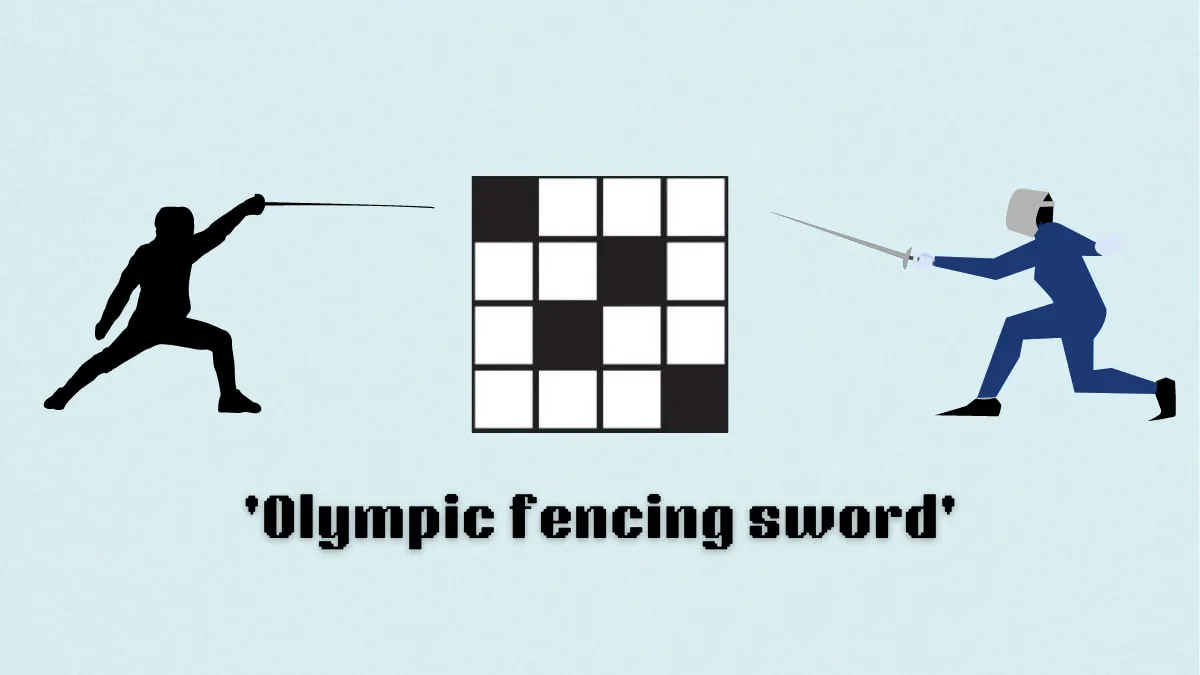
The Olympic Sword: Why Fencing’s Crossword Clue Mirrors a Rising Miracle
Paul Reubens: Peewee Herman’s Velocity Icon Dies at 70, Ends a Pub Crawl With Legacy That Endures</h2> In a twilight marked by both cinematic memory and untold facets of his life, Paul Reubens, the man behind the slobbery, eccentric, and outspoken Peewee Herman, passed away at 70. Known for redefining childhood rebellion on screen, Reubens’ death closes a chapter in American pop culture, one that blended vulgar humor with heartfelt authenticity. Once a household name from the 1980 hit film, his legacy extends far beyond the red-and-white striped shorts, now inseparable from the character who captured a generation’s cantankerous charm. <p>Born in Baltimore, Maryland, in 1952, Reubens emerged not just as an actor but as a performer unafraid of pushing boundaries. His embodiment of Peewee Herman—a defiant, snarly-haired antihero—blended physical comedy with sharp, streetwise dialogue that struck a chord with audiences hungry for authenticity. The Peewee Herman series, though commercially successful, often overshadowed Reubens’ broader artistic range. Few realize he appeared in Broadway plays, voice acting, and even avant-garde theater, proving his talents extended well beyond children’s television. As *Chicago Sun-Times* noted in its obituary, “Reubens was more than a child star—he was a performer who leveraged innocence into subversion.” <h3>A Career Built on Risk and Voice</h3> Reubens’ early career was defined by bold choices. Before Peewee, he starred in off-Broadway productions such as *The Spook Who Sat by the Door*, where his dramatic range simmered beneath the surface, hinting at complexity beneath the goof. With Peewee Herman, launched in 1985, he abandoned subtlety entirely: “Make them laugh, make them weird, make them remember,” Reubens once said, capturing the essence of his performative philosophy. The character’s signature voice—raspy, gravelly, dripping with sass—became iconic, a vocal signature recognized by millions. <p>The 1980s explosion of Peewee Herman’s films turned Reubens into a curious cultural paradox: a serious actor whose most beloved role was pure absurdity. Yet, in interviews, he insisted his performance was deliberate—a nuanced portrait of teenage defiance. “I didn’t play a cartoon character,” he explained. “I played a version of me—rough around the edges, protective of friends, screwed up, but loyal.” This authenticity resonated in an era increasingly skeptical of artificial corporate branding, making Peewee’s appeal timeless. <h2>Personal Life and Shadows Beyond the Spotlight</h2> Beyond the screen, Reubens navigated a life marked by both acclaim and private complexity. Always a confessed fan of rock ’n’ roll and jazz, his persona extended into music and visual art, though these pursuits rarely entered mainstream discourse. He resided in New York’s Greenwich Village, a neighborhood steeped in artistic tradition, maintaining long-standing friendships with peers across disciplines. <p>Despite the glare of fame, Reubens valued privacy fiercely. The Velvet Crimeoclub — a performance space and cultural hub — served as a sanctuary where he entertained trusted artists and writers. In rare public appearances, he spoke candidly of battling creative stagnation and the weight of typecasting, once remarking, “People remember the mask, not the man.” Such reflections humanized the performer, revealing layers beneath the red-and-white attire. <h3>Leadership, Mentorship, and the Legacy of Peewee</h3> Reubens’ influence reached beyond performance into mentorship. He supported emerging artists through workshops and collaborative projects, particularly those exploring boundary-pushing storytelling. The Peewee Herman Archive, now studied in theater programs, illustrates how he transformed personal quirks into universal themes of identity and belonging. <p>The character became a cultural touchstone, symbolizing youthful rebellion and resilience, but Reubens resisted reducing himself to a symbol. “Herman isn’t me,” he clarified in *Sun-Times* features, “he’s a story I inherited—and a story I continue telling, oddly enough, decades later.” This duality—public icon, private craftsman—defined his enduring presence. <h2>Enduring Impact: Why Peewee Herman Still Slaps the Nerve</h2> Even after the curtain fell, Peewee Herman retains pulse in internet memes, fashion revivals, and genre homages. His snarl, “You ya ridiculous—bury me!” echoes in viral clips and social commentary. Yet Reubens’ true legacy lies not in viral fame but in the authenticity he brought to every role. <p>Critics and fans alike praised his ability to fuse humor with emotional truth. As theater historian Dr. Elena Park observed, “Reubens taught audiences that vulnerability and absurdity coexist. He made slobberness feel sincere.” Whether in a Intervals show, a Broadway curtain call, or a private art session, Paul Reubens remained fundamentally creative—too often typecast, never fully understood. <h1>Paul Reubens, Peewee Herman’s Velocity Icon Dies at 70 — Ends a Velocity Legacy That Never Grew Old

Mohammed Bin Salman’s Children: Inside the Quiet Power of Saudi Arabia’s Next Royal Generation


